
The Ministry of Transport and Infrastructure (MTI) is developing plans for an integrated metro rail and bus transport system for Gaborone in a move aimed at easing traffic congestion and transforming public transport in the capital.
The proposed network, to be known as TANA, is expected to provide a modern, seamless transport system that integrates rail and bus services into a single network, offering commuters a reliable, efficient and affordable alternative to private vehicles.
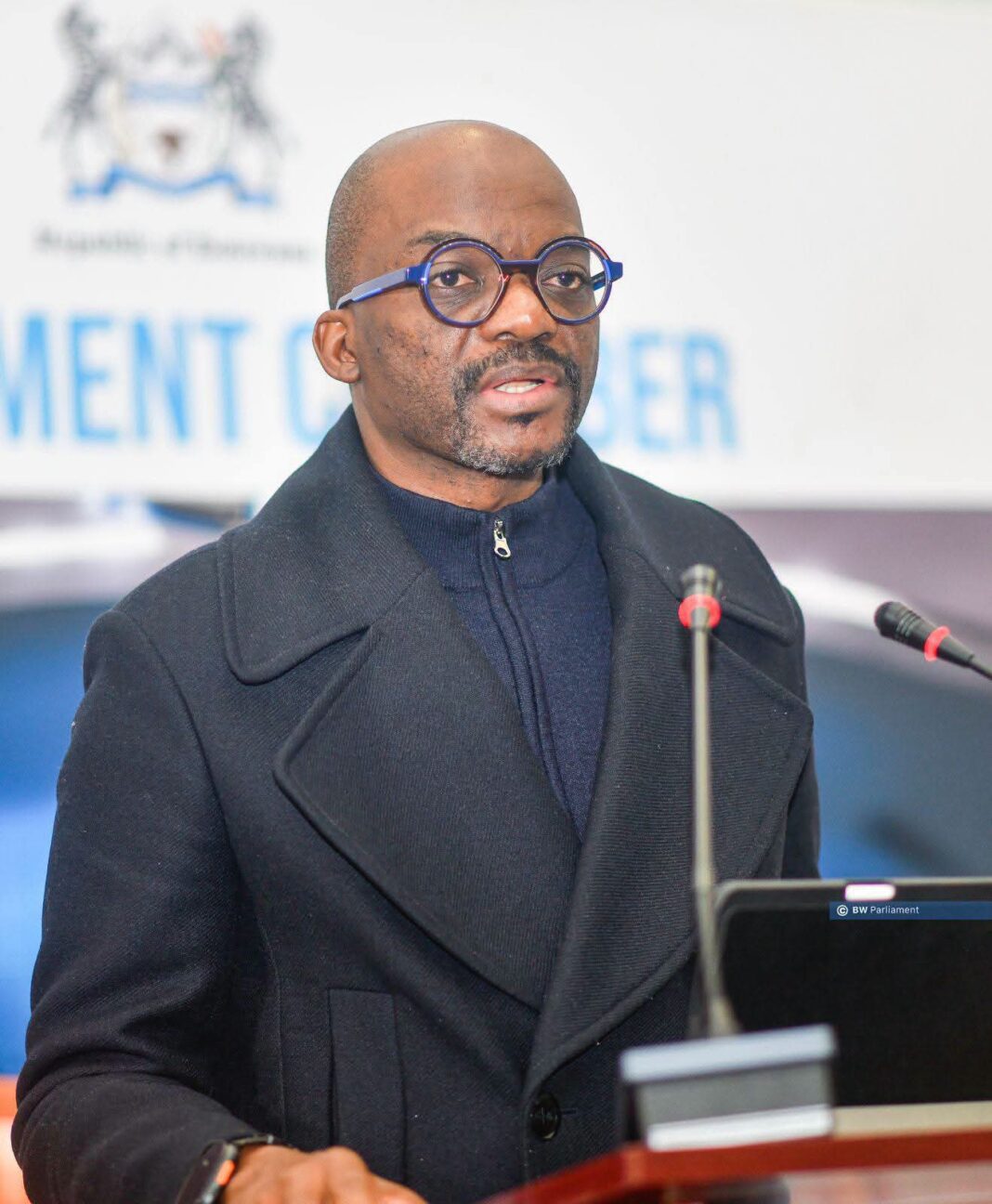
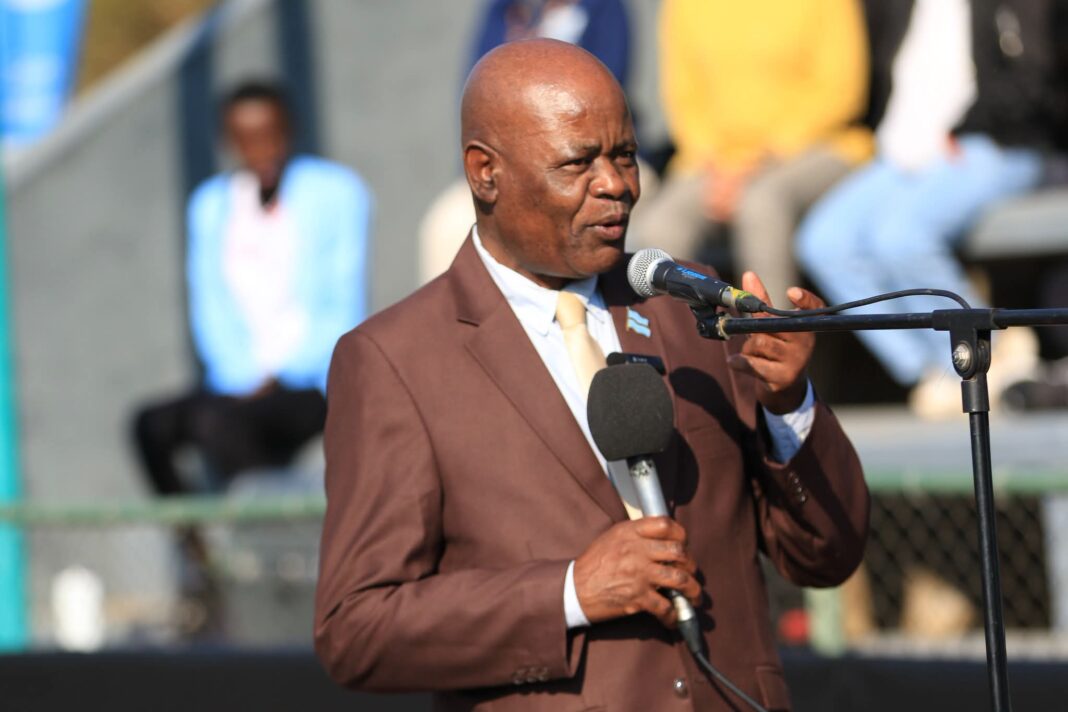
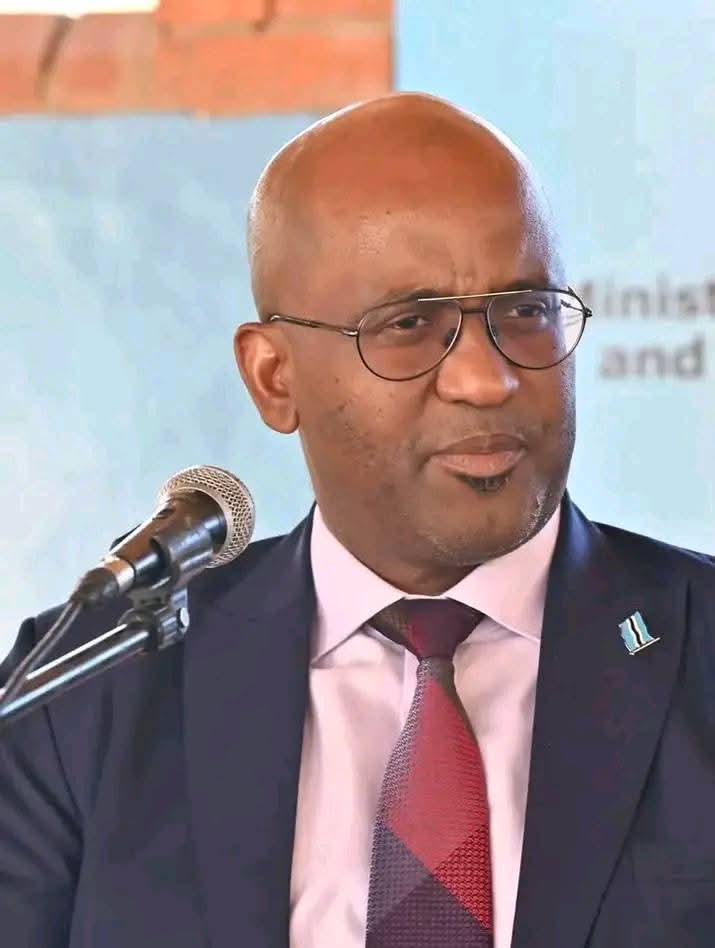
The initiative was unveiled following a debriefing session held in Gaborone yesterday, attended by Minister of Transport and Infrastructure Noah Salakae, Permanent Secretary Pius Seone and Assistant Minister Keoagile Atamelang.
The proposed transport system is intended to connect key residential, commercial and industrial areas across the city, making it easier for people to travel while reducing transport costs and journey times.
According to the ministry, TANA forms part of broader efforts to improve connectivity, reduce road congestion and support economic growth through a more efficient and sustainable urban transport system.
Officials believe the integrated network will not only improve mobility for residents but also contribute to environmental sustainability by reducing dependence on private vehicles and lowering traffic-related emissions.
As part of the project’s
conceptualisation, the ministry has launched consultations with key stakeholders to gather views that will inform the development of the transport system. The consultations are expected to ensure that the proposed network responds to the needs of commuters, businesses, transport operators and other users.
The ministry said stakeholder input will play a critical role in shaping the conceptual framework of TANA and determining how the integrated rail and bus services can best serve the city’s growing population.
If implemented, the project would mark one of Botswana’s most ambitious public transport initiatives, fundamentally changing how people move around Gaborone.
Authorities have envisaged a long-term plan to establish a fully integrated public transport network capable of supporting the city’s continued expansion while improving accessibility, reducing congestion and enhancing the overall quality of urban life.
The TANA project aligns with the government’s wider infrastructure development agenda, which seeks to modernise transport systems and create sustainable mobility solutions that underpin economic development and urban growth.