
Staff Writer
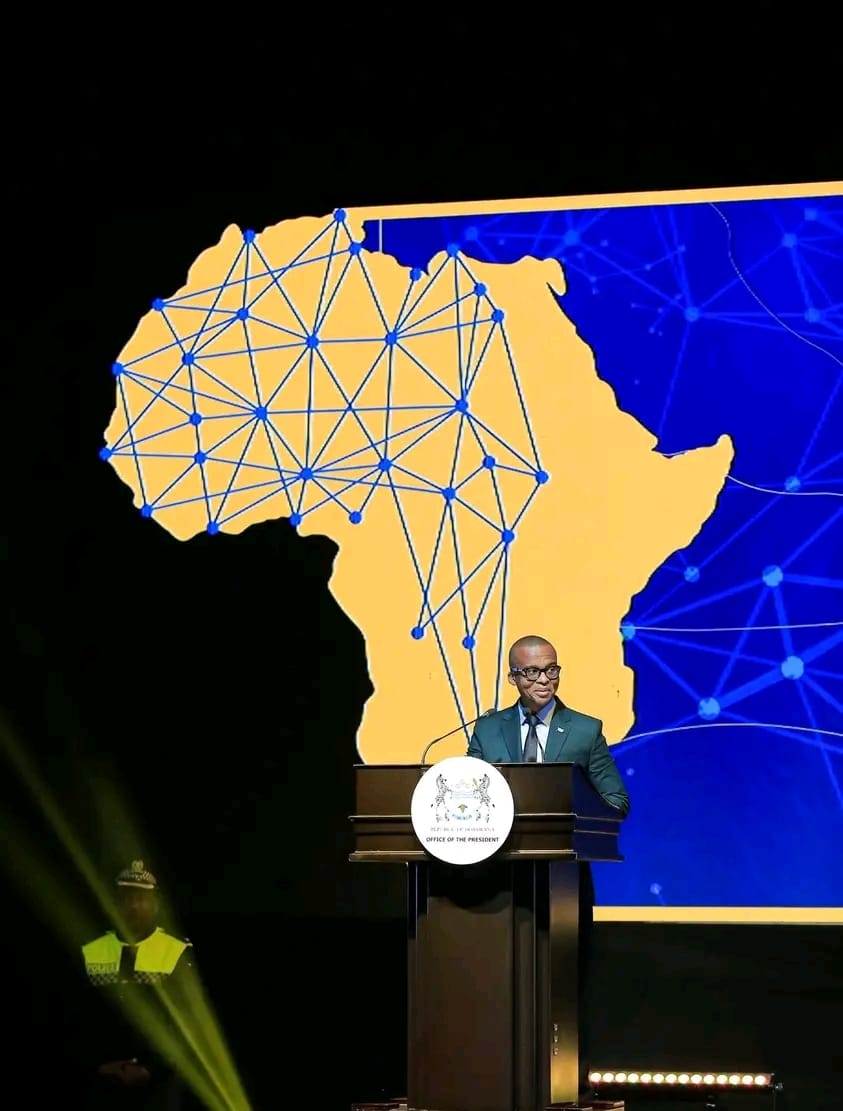
President Duma Boko has urged Botswana’s traditional leaders to become active partners in the country’s healthcare transformation, arguing that sustainable reforms can only succeed when communities are fully involved.
Addressing members of Ntlo ya Dikgosi in Gaborone, the President outlined the government’s vision for overhauling the public health system through improved infrastructure, expanded access to specialised care and stronger community participation. The engagement formed part of the administration’s broader consultations with traditional leaders on key national development priorities.
President Boko announced that the Sir Ketumile Masire Teaching Hospital would transition to full public ownership, a move he said would strengthen the country’s capacity to provide quality healthcare and improve service delivery.
He also revealed plans to decongest major referral hospitals by relocating outpatient services to other healthcare facilities. The initiative is expected to reduce waiting times, improve patient experiences, and enable referral hospitals to focus on more complex medical cases.
As part of efforts to increase access to specialised healthcare, dialysis services currently offered at the Block 8 Clinic will be moved to the Sir Ketumile Masire Teaching Hospital. The government also plans to introduce additional public transport routes to ensure patients can travel to the facility more conveniently.
The President further announced the deployment of mobile X-ray clinics to underserved areas, including Gumare, Bobonong and Pandamatenga, to bring diagnostic services closer to rural communities and reduce the need for long-distance travel.
President Boko stressed that the success of these reforms would depend not only on government investment but also on the active involvement of communities, with Dikgosi playing a critical leadership role.
He encouraged traditional leaders to use their influence to promote healthier lifestyles, encourage participation in public health programmes and help bridge the gap between government and local communities.
Chairperson of Ntlo ya Dikgosi, Kgosi Malope II, welcomed the engagement, saying it reflected government’s commitment to inclusive governance and consultation with traditional leadership.
Malope reaffirmed the institution’s readiness to support government in implementing reforms designed to improve the quality of life for Batswana, noting that Dikgosi remain trusted custodians of their communities and are well placed to mobilise public support for national initiatives.
The meeting forms part of President Boko’s ongoing engagement with key national stakeholders as his administration advances reforms across healthcare, governance and public service delivery.
The government believes that working closely with traditional leaders will help ensure policies are better informed by community realities, enjoy wider public acceptance and deliver lasting improvements in the lives of citizens.
Further, the engagement also reinforces the long-standing role of Dikgosi as partners in national development, particularly in promoting social cohesion, public awareness and grassroots participation in government programmes.