
One of the defining traditions of the Botswana National Front (BNF) is its National Conference. It is at this gathering that the leadership reports to the membership on the state of the organisation, accounts for its stewardship during the reporting period and invites delegates to deliberate on resolutions that shape the future of both the party and the country. The Conference is therefore much more than an internal meeting. It provides a platform for robust engagement on issues ranging from organisational development and governance to the country’s economic outlook, international relations, public policy and the broader political direction of Botswana.
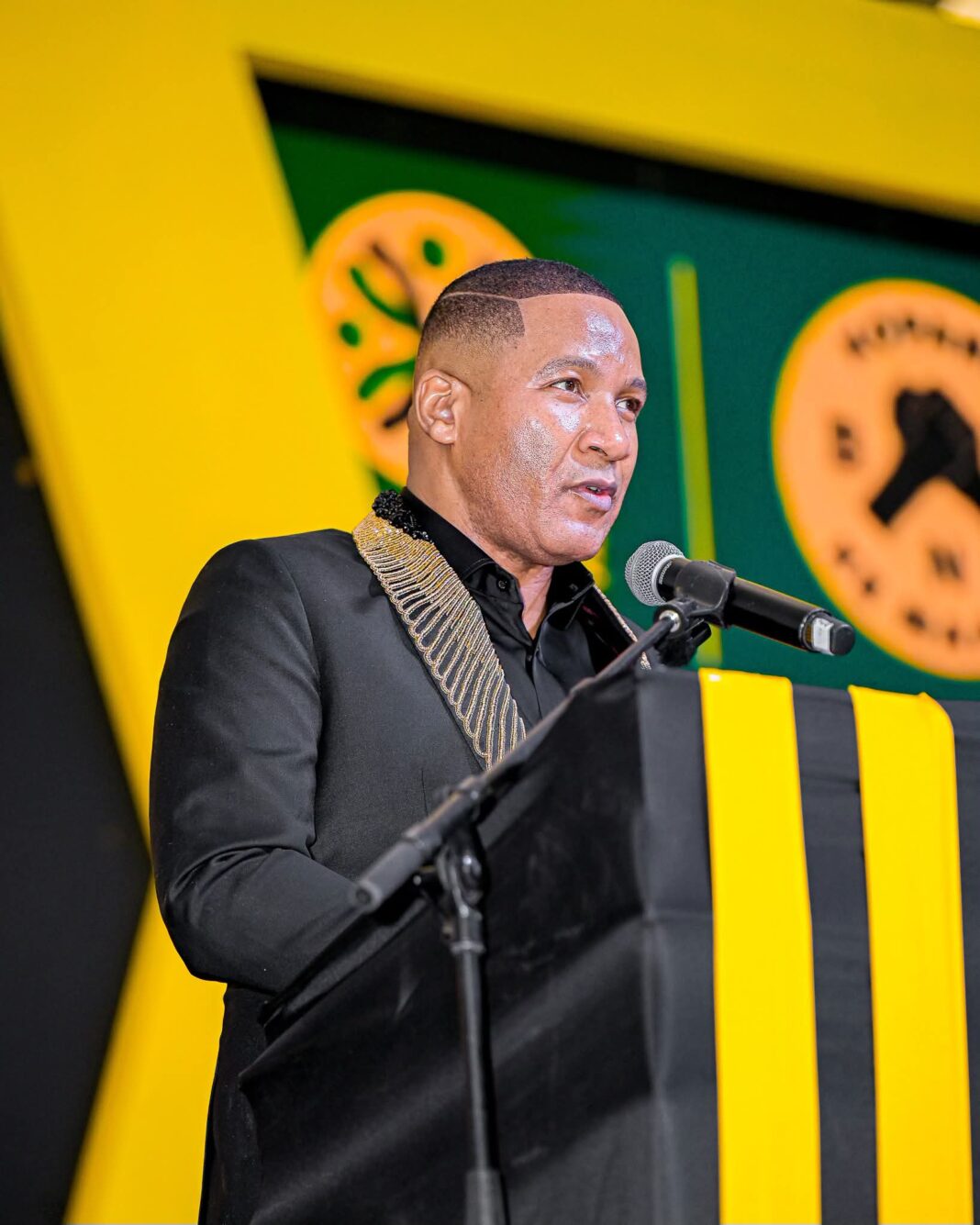
It was against this backdrop that the BNF convened its 61st National Conference in Jwaneng from 18 to 20 July 2026 under the theme “The Torch We Carry, The Nation We Must Build.” It was during this historic gathering that the Secretary-General, Dr Stephen Modise, presented the Secretary-General’s Report, a constitutional document that gives members an account of the work of the party during the reporting period while charting the direction for the years ahead.
The significance of this year’s report cannot be overstated. It is the first Secretary-General’s Report to be presented while the Botswana National Front is the leading party in government through the Umbrella for Democratic Change (UDC). As Dr Modise notes in his foreword, the party now carries not merely the hopes of opposition politics but “the constitutional responsibility of governing the Republic.” The report therefore recognises that the BNF has entered a new phase in its history, where its success will not only be measured by its ability to challenge power, but by its capacity to exercise it responsibly and improve the lives of ordinary Batswana.
The report opens by reflecting on what it describes as a defining moment in Botswana’s democratic evolution. It argues that the 2024 General Election represented more than a transfer of political power. It marked the beginning of a new constitutional era founded on accountability, transparency and citizen-centred governance. For the BNF, this also required a profound organisational shift. Structures that had historically been built to mobilise resistance against entrenched power now have to support policy implementation, governmental accountability and effective public administration. The report makes it clear that governing requires a different kind of organisation from campaigning.
Having established that context, the report proceeds to assess the political developments of the reporting period. It recounts the party’s performance in the 2024 General Election, its emergence as the largest constituent of the UDC, the deployment of senior leaders into Cabinet, Parliament and coalition structures, and subsequent by-election victories. These developments are presented not as trophies to be celebrated, but as evidence of the responsibility entrusted to the party by the electorate. Indeed, the report repeatedly reminds members that electoral victory marked the beginning of public service rather than the culmination of political struggle.
One of the more interesting aspects of the report is that it is not afraid to confront the realities facing the country. It acknowledges that the new government inherited an economy constrained by declining global diamond demand, fiscal pressures and the urgent need to diversify. Rather than ignoring these challenges, the report outlines measures already undertaken by government, including increases in the old age pension, improved student allowances, the Bonno Housing Programme, investment attraction initiatives and reforms aimed at improving the ease of doing business. It presents these interventions as the first steps towards building a more resilient and inclusive economy.
The report then shifts its attention inward by examining the health of the organisation itself. It details efforts to strengthen regional, constituency and ward structures, expand consultations across the country and improve communication between the leadership and ordinary members. Throughout these sections runs a consistent message that a governing party can only remain effective if it continues investing in its own organisational capacity. The report argues that strong governments are built upon strong political organisations, and that organisational renewal is therefore not separate from governance but essential to it.
Considerable attention is also devoted to the Women’s League, the Youth League and the Veterans’ structures. Rather than treating these as auxiliary wings of the party, the report portrays them as essential pillars of the movement. It highlights efforts to expand women’s leadership, strengthen youth mobilisation and preserve the institutional memory carried by veterans. The message is clear: the future of the organisation depends on broad participation across generations and on creating opportunities for leadership renewal.
The report also demonstrates that the party appreciates the need to modernise. One of its notable proposals is the development of a digital membership management platform that will facilitate online registration, membership renewal, digital payments, real-time verification and improved communication. While administrative in appearance, the proposal reflects a broader understanding that political organisations must adapt to changing technologies if they are to remain responsive and effective in the modern era.
Political education occupies another prominent place in the report. The BNF has long regarded ideological training as central to its identity, and the Secretary-General reaffirms that tradition. The report argues that political organisations survive because they continuously develop informed and disciplined leaders. Through Party Schools and cadre development programmes, members are equipped not only with an understanding of the party’s history and constitutional values, but also with the skills required for governance, public policy and leadership. In doing so, the report suggests that leadership is cultivated rather than inherited.
Importantly, the Secretary-General’s Report is not confined to reviewing the past. It also sets out the priorities that should guide the party between now and 2029. Economic transformation, job creation, health sector reform, education, constitutional reform, digital transformation, political education, women’s participation, youth mobilisation and organisational renewal all feature prominently. The report concludes with recommendations calling for stronger party structures, improved accountability, enhanced communication, modernised membership systems and early preparations for the next general election.
Perhaps the greatest value of the Secretary-General’s Report lies in what it represents. It is evidence of a political culture in which leadership is expected to account to members, organisational performance is subjected to scrutiny and delegates are invited to debate the future of both the movement and the country. Whether one agrees with every position advanced in the report or not, it reflects a party that views accountability, internal democracy and strategic planning as indispensable to its continued evolution. In that respect, the Secretary-General’s Report is not merely a record of the past year. It is a blueprint for how the Botswana National Front understands its role as a governing party and the nation it seeks to build.