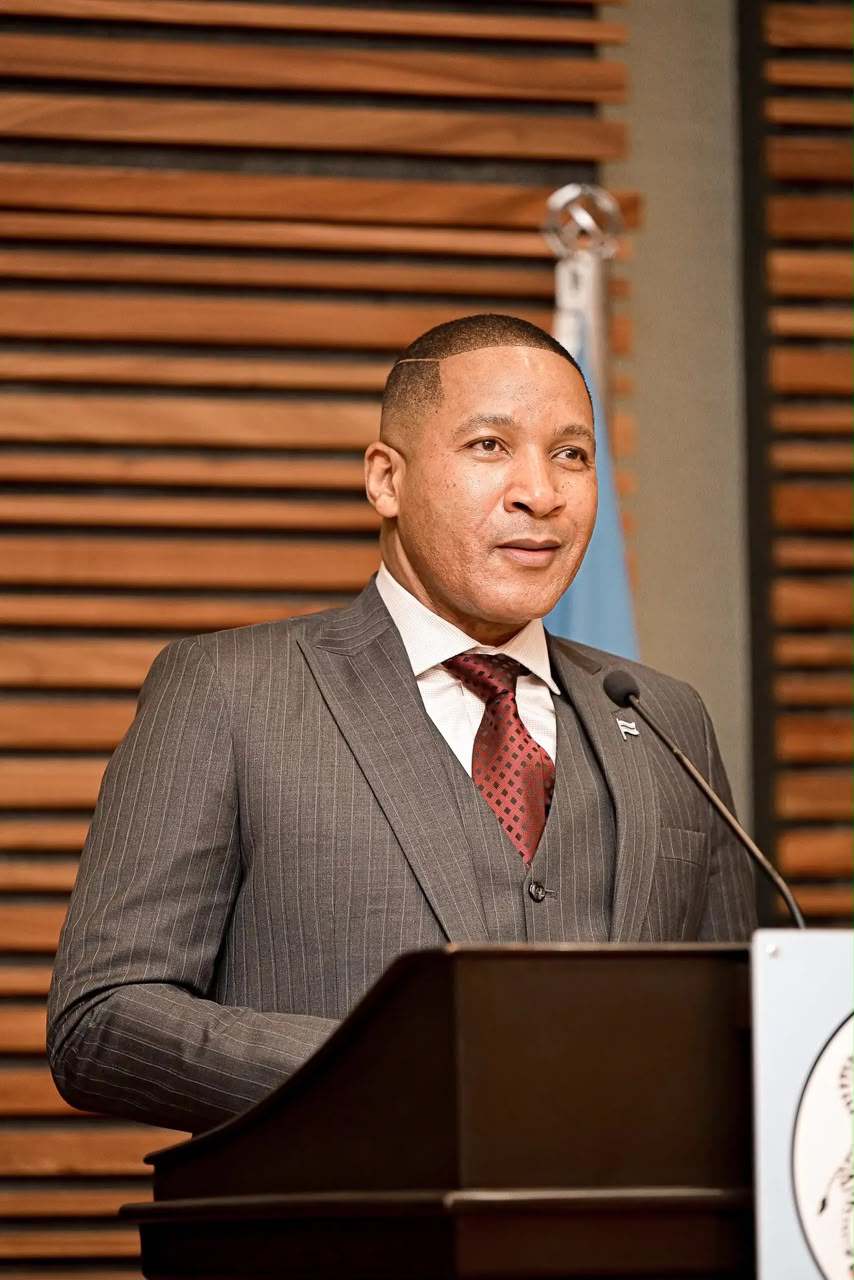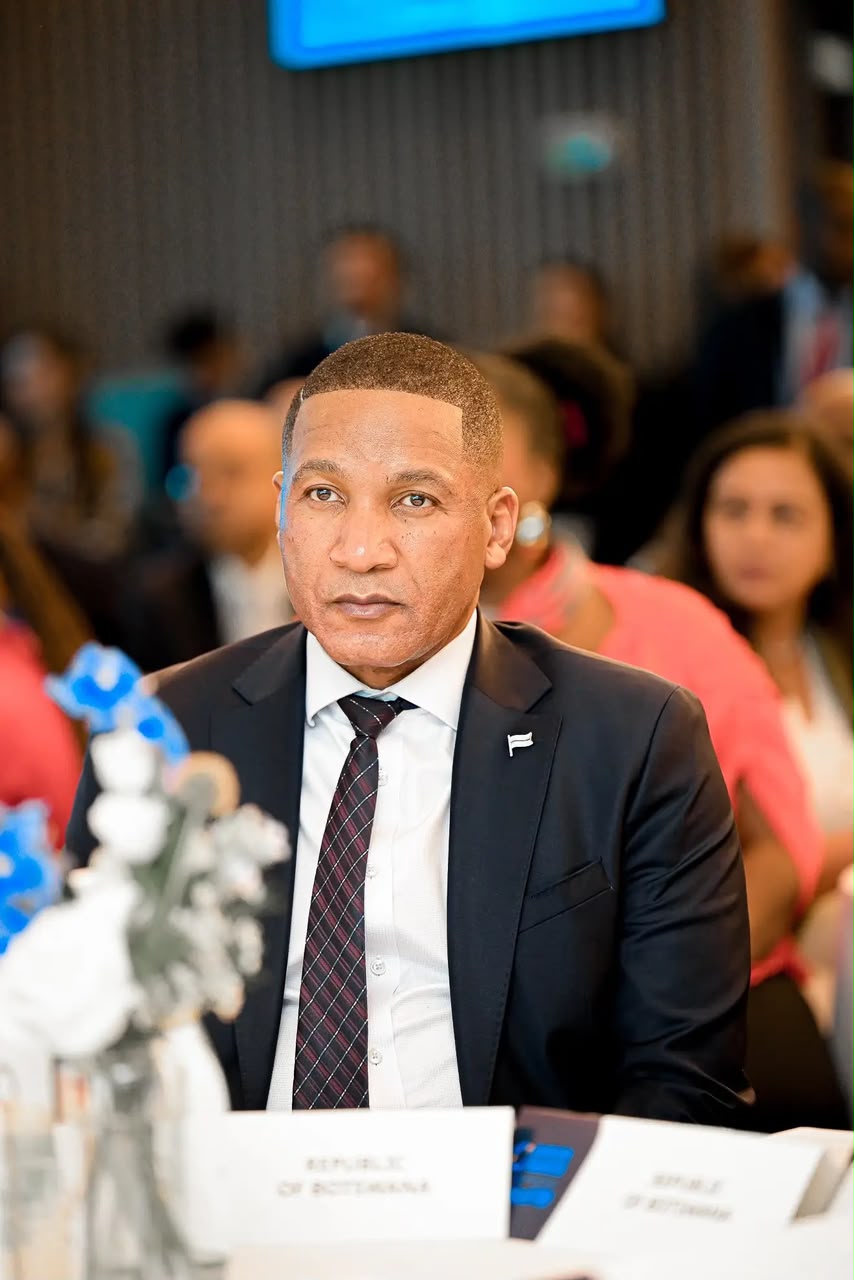

President Advocate Duma Boko has declared the total eradication of poverty a core mandate of his administration, arguing that poverty’s persistence violates citizen wellbeing and dignity.
President Boko, in New York as Botswana’s keynote speaker during the 81st United Nations General Assembly, is expected to use the international platform to highlight national development priorities, including poverty eradication, sustainable economic growth, and economic diversification.
The President has maintained that economic development must translate into tangible improvements in the lives of ordinary citizens, with poverty reduction remaining central to the country’s broader development agenda.
For Botswana, the push for poverty eradication comes alongside efforts to transform the structure of the economy and reduce dependence on diamonds and other minerals.
President Boko has previously called for a shift towards a more dynamic and diversified economy capable of creating jobs, expanding opportunities, and delivering inclusive growth. He has also stressed the importance of investment, entrepreneurship, innovation, and local participation in driving economic transformation.
The government’s economic diversification agenda aims to develop sustainable growth sectors beyond mining while creating productive employment and improving livelihoods. The UNDP has similarly identified economic diversification, poverty, inequality, unemployment, and inclusive growth as interconnected development challenges for Botswana.
Agriculture is among the sectors identified as having significant potential. President Boko has advocated for transforming agriculture from a subsidy-dependent sector into an enterprise-driven, export-oriented industry capable of creating jobs, reducing imports, and contributing to GDP growth.
The President has also urged African investors and entrepreneurs to play a greater role in driving industrialization and improving livelihoods, noting that investment must translate into tangible development outcomes.
His administration has further emphasized ensuring that Botswana derives greater economic value from its natural resources. The recently highlighted Diamonds for Development Fund, for example, is intended to support economic growth, industrialization, and job creation while ensuring that Batswana benefit more directly from the country’s diamond wealth.
As Botswana engages the international community in New York, the poverty eradication agenda forms part of a broader development message: economic growth must be sustainable, inclusive, and capable of improving living standards.
President Boko’s New York engagement consequently provides an opportunity for Botswana to place the eradication of poverty alongside sustainable development, investment, and economic diversification in its international development narrative.