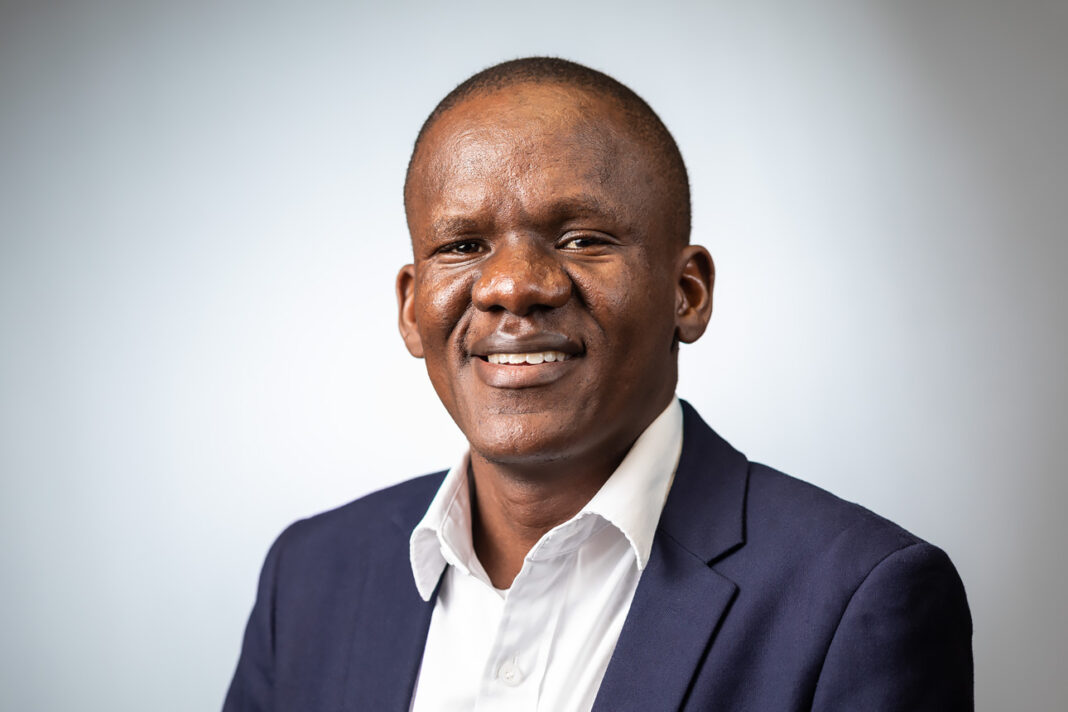

Tumelo Rannau
Botswana’s vision of a robust International Financial Services Centre (IFSC) regime has evolved since its inception. As the nation moves to adapt this framework for the future, it is essential to recognise that the new IFSC framework must not exist in isolation. Instead, it should form the nucleus of a comprehensive harmonisation effort that unites all legal, regulatory, and operational regimes offering comparable financial services.
For Botswana to position itself as a true financial hub, it must address the risks of fragmentation that arise when multiple laws, authorities, or “special regimes” operate in parallel without coordination. Past experience, like the overlap between the IFSC and Fairgrounds Special Economic Zone (SEZ), has shown that such fragmentation leads to investor confusion, regulatory duplication, and inefficiency. Therefore, the new approach should seek to:
– Integrate all activities and services that resemble or duplicate IFSC offerings, such as cross-border financial transactions, investment vehicles, and business process outsourcing, under a unified regime.
– Clarify jurisdictional boundaries, eliminating redundant certifications or regulatory processes.
– Ensure that incentives, compliance standards, and reporting obligations are streamlined and consistent across all frameworks that facilitate international financial activity.
A harmonised framework will enhance regulatory clarity and investor confidence, as well as facilitate the supervision and management of financial stability risks. This model also lays the groundwork for digital transformation, supporting Botswana’s aspirations to become a leader in digital financial services by establishing consistent rules on licensing, risk management, and innovation across all related sectors.
Botswana’s competitive advantage—offering a 15% IFSC corporate tax rate, access to double taxation treaties, and exemptions from key levies—will be further amplified when applied coherently and transparently within a single legal and institutional architecture. Such clarity will also make Botswana’s investment climate more appealing, as shown by the USD 198 million in FDI inflows during 2023 and the economy’s resilience in the face of global uncertainty.
Ultimately, integrating the new IFSC framework as part of a broader harmonisation initiative will position Botswana to realise its ambitions as a regional financial services powerhouse—attracting greater investment, creating sustainable jobs, and supporting business expansion across Southern Africa and beyond.